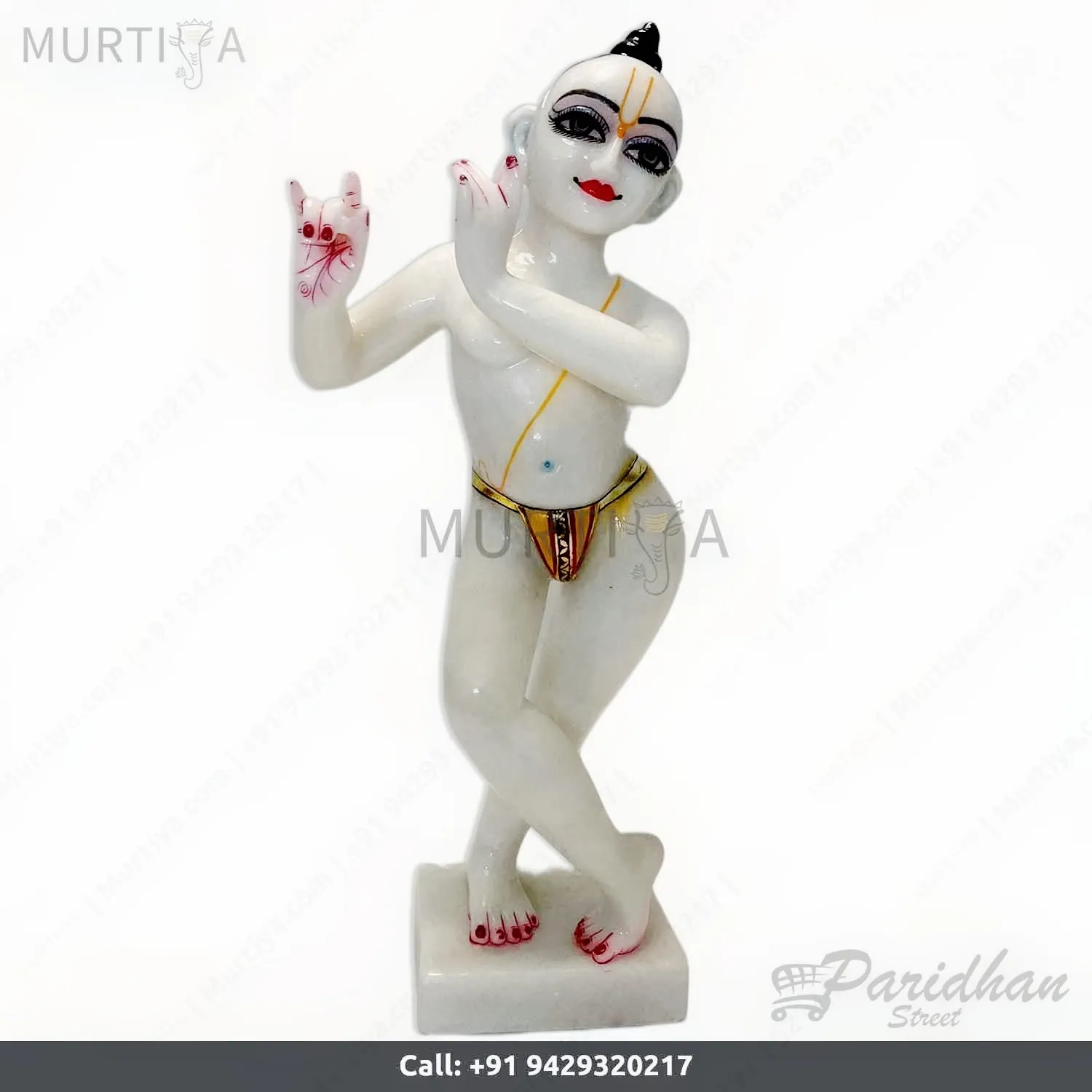
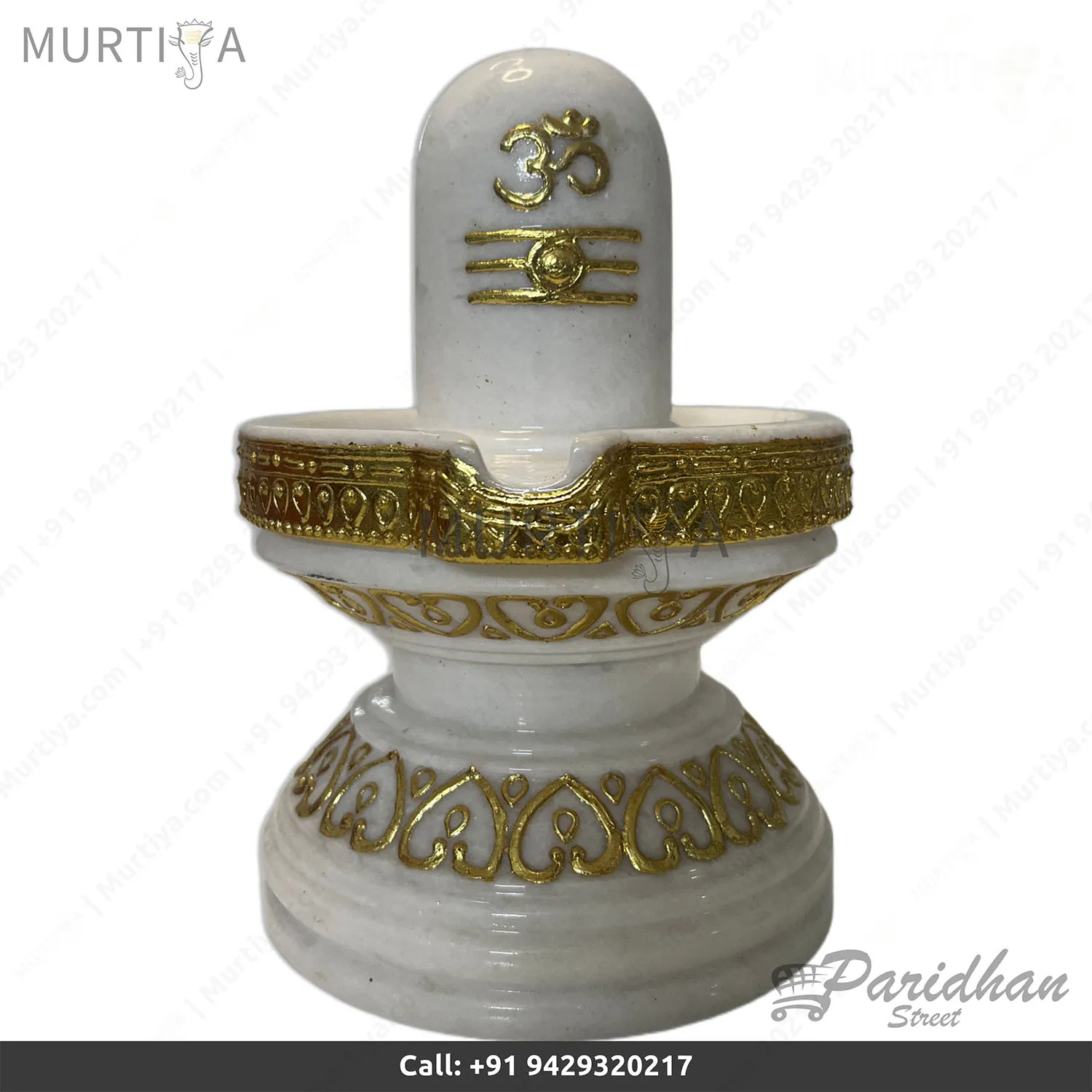
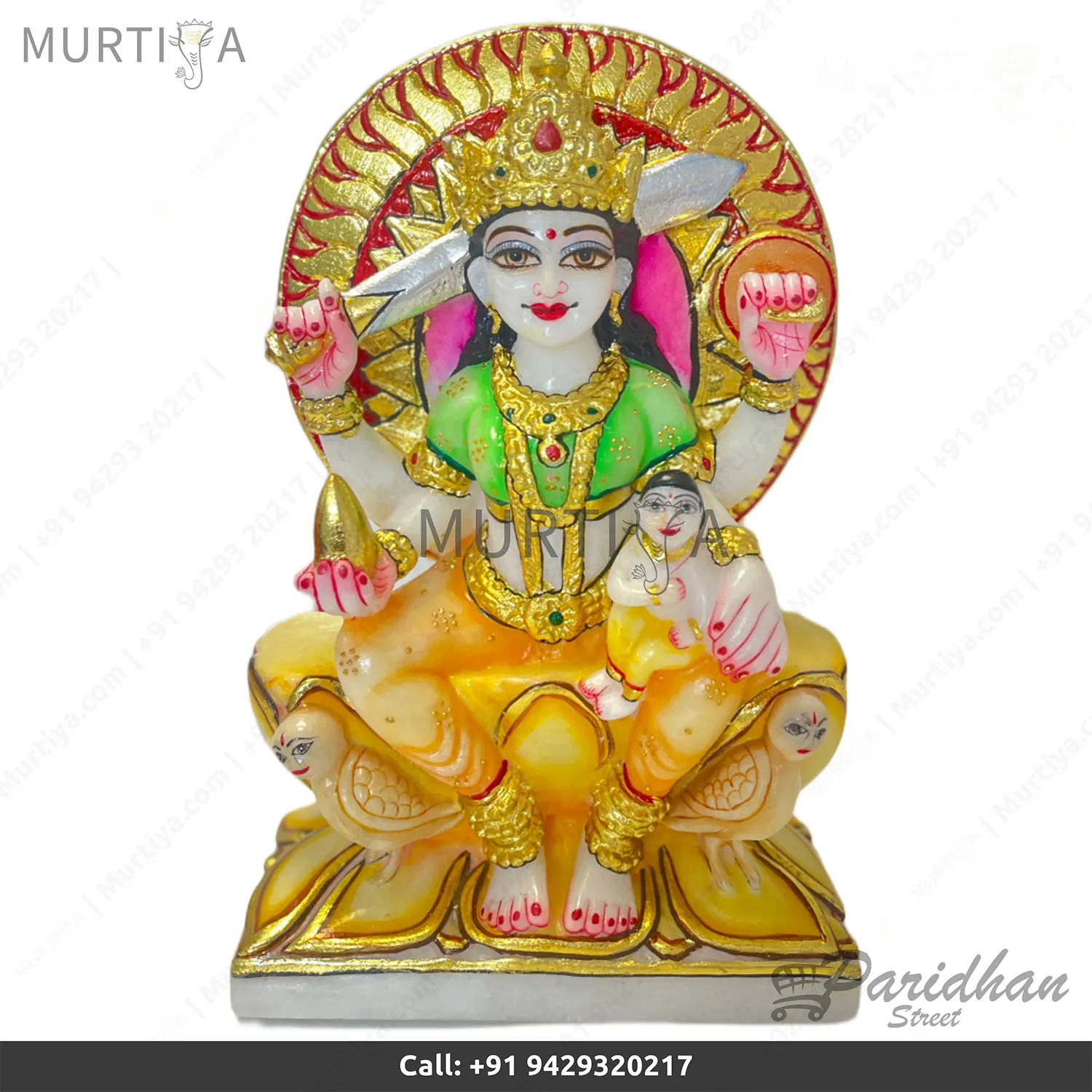
Marble is low-porosity, but months of humidity still leave their mark if moisture sits on or around the murti.
Prevent standing moisture
Never let water pool around the base. Wipe the shrine surface dry after cleaning and after abhishek, and check under the base where water collects.
Improve airflow
Keep the shrine ventilated. Enclosed mandir cabinets without vents trap humid air against the stone. Leave the cabinet open periodically on dry days.
Check the wall
Damp exterior walls are the most common source of seasonal staining. If the shrine backs onto an external wall, a moisture barrier behind the mandir helps.
Cloth and flowers
Damp cloth stored against marble causes marking. Remove and dry cloth daily during the monsoon rather than leaving it on the deity.
If you are away
Before travelling during the monsoon, dry the shrine thoroughly, remove all organic offerings, and leave ventilation open. Do not wrap a murti in plastic — it traps moisture.
Frequently asked questions
Can humidity damage a marble murti?
Prolonged humidity leaves mineral film and, if moisture collects around the base, can cause staining. Ventilation and drying prevent most of it.
Should I cover a marble murti during the monsoon?
Use breathable cloth if you must cover it. Plastic traps moisture against the stone and does more harm than good.
Why is my murti base staining?
Water pooling around the base is the usual cause. Dry the shrine surface after every cleaning and abhishek, and check under the base.
Where to go next