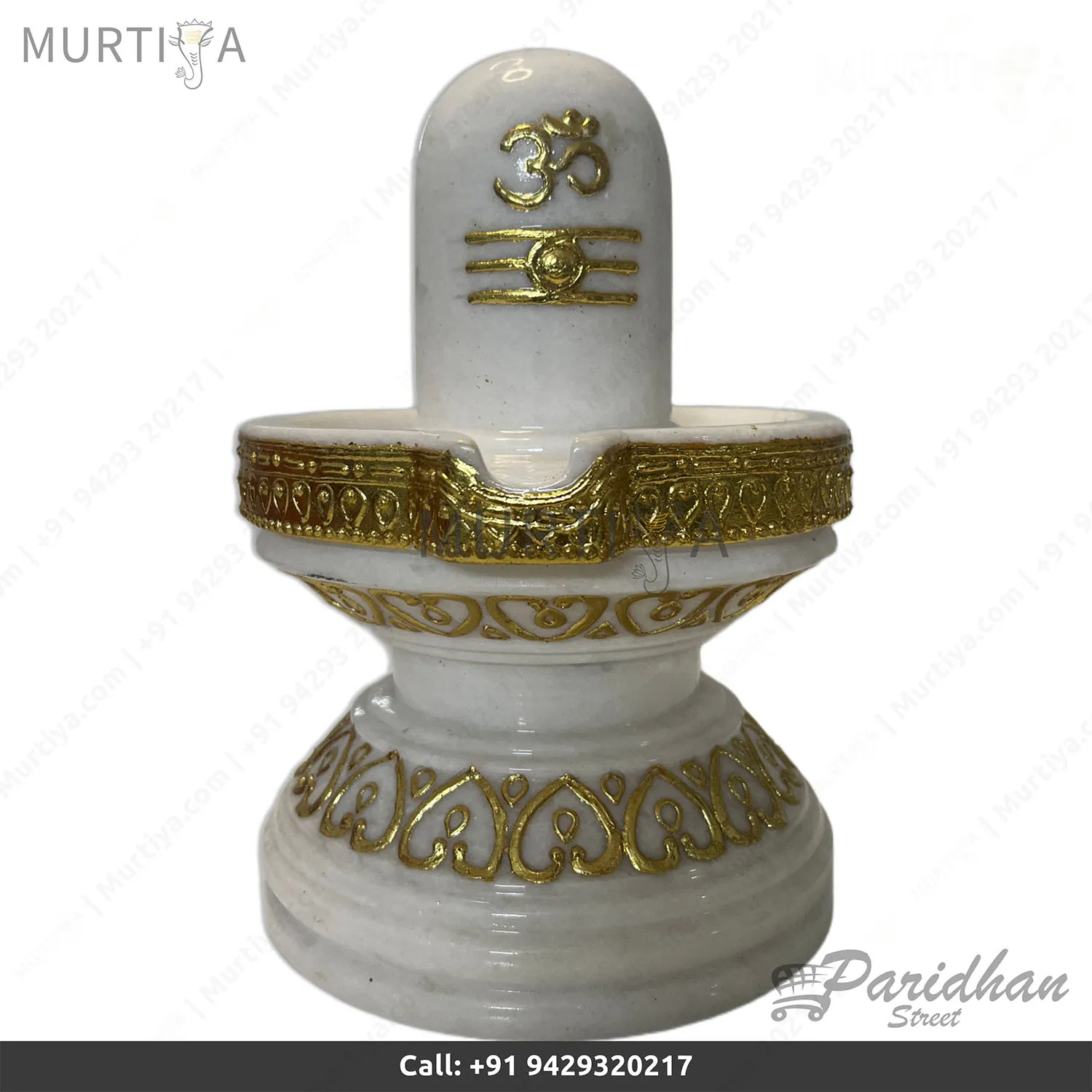
Marble is heavy and unforgiving of a flimsy platform. A wooden mandir works well if it is built for the load.
Platform rigidity
Use solid timber or a minimum thick plywood deck with proper bracing. Thin decorative panels flex under a marble murti and can warp, leaving the deity rocking.
Load capacity
A 12-inch marble murti weighs 4 to 7 kg, an 18-inch one 9 to 15 kg. Add cloth, jewellery and offerings when sizing shelf fixings and joints.
Ventilation
Enclosed cabinets trap moisture, especially after abhishek. Include vents or leave a gap at the rear and top so air can move.
Dimensions
Allow 2 to 3 inches above the crown, plus depth for offerings in front. Measure the murti with its crown before finalising the cabinet height.
Finish
Use a cured, low-odour finish and let it dry fully before placing the deity inside. Fresh solvent finishes in an enclosed shrine are unpleasant and unnecessary.
Reach
Make sure you can reach behind the murti to dust. A mandir you cannot clean will dull faster than it should.
Frequently asked questions
How strong does a mandir shelf need to be?
Strong enough for 4 to 7 kg at 12 inches and 9 to 15 kg at 18 inches, plus cloth and ornaments. Use solid timber or braced thick plywood.
Should a mandir cabinet be enclosed?
A fully enclosed cabinet traps moisture after abhishek. Include vents or a rear gap so air can circulate.
How much space above the murti should a mandir allow?
Two to three inches above the crown for dressing and airflow, plus depth in front for offerings.
Where to go next