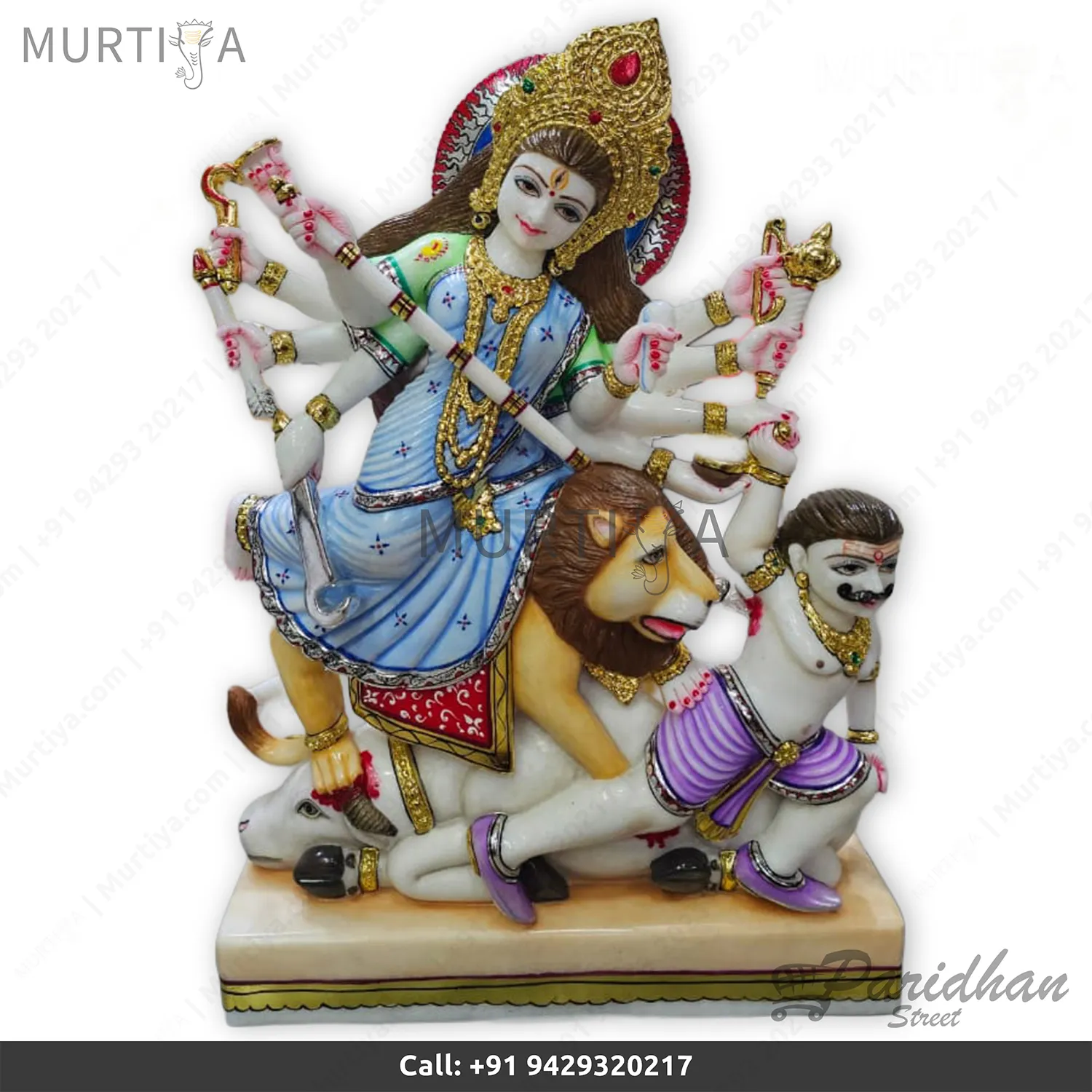
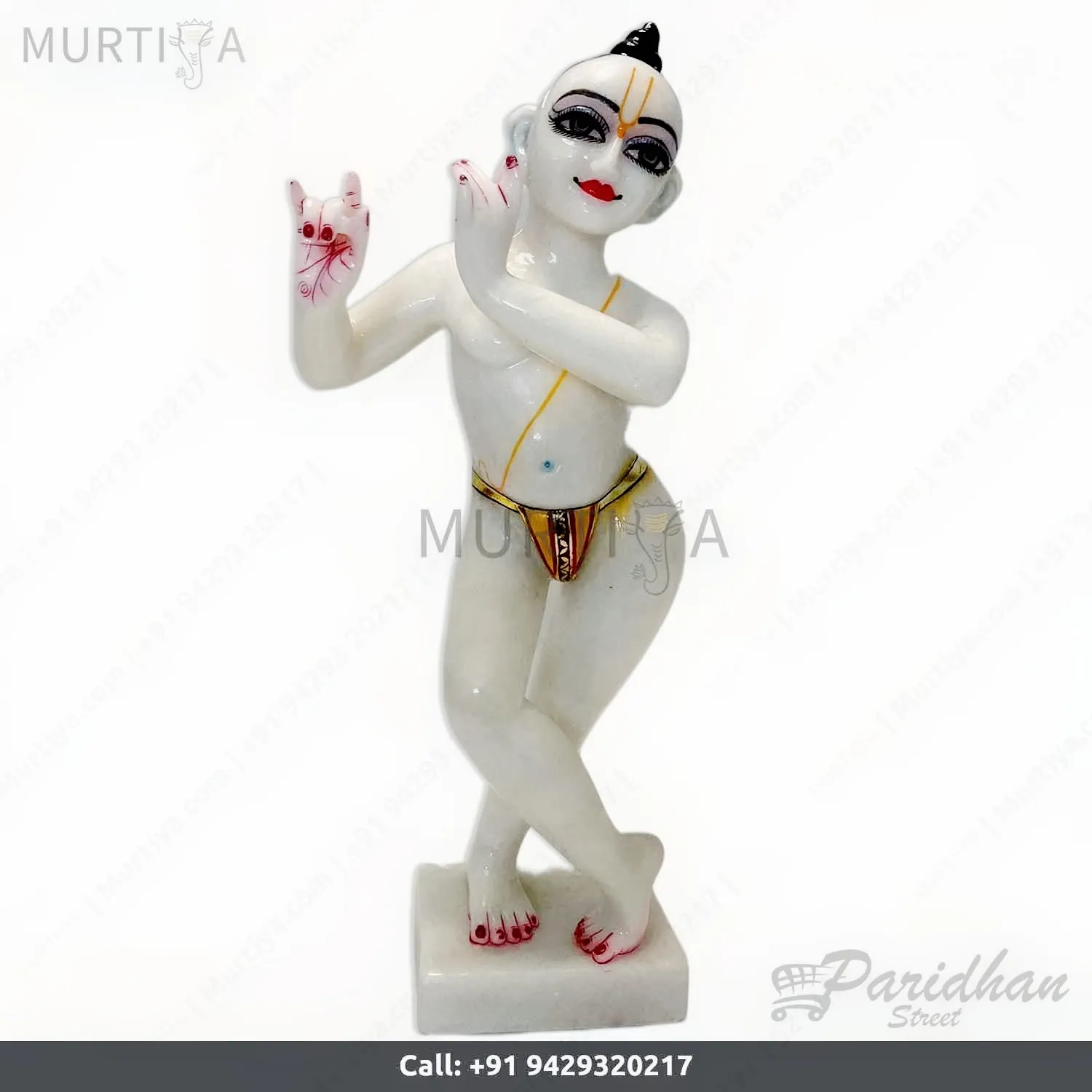
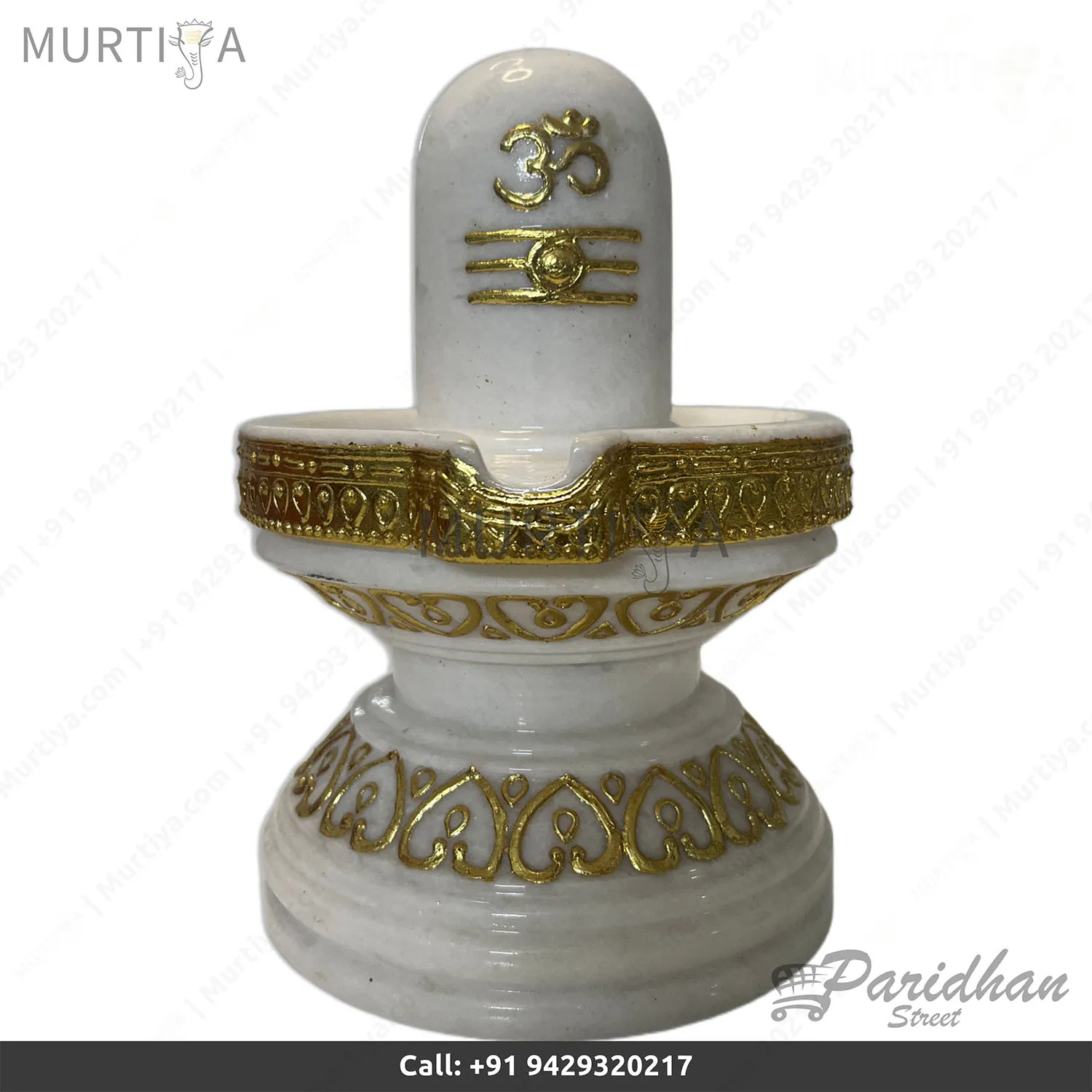
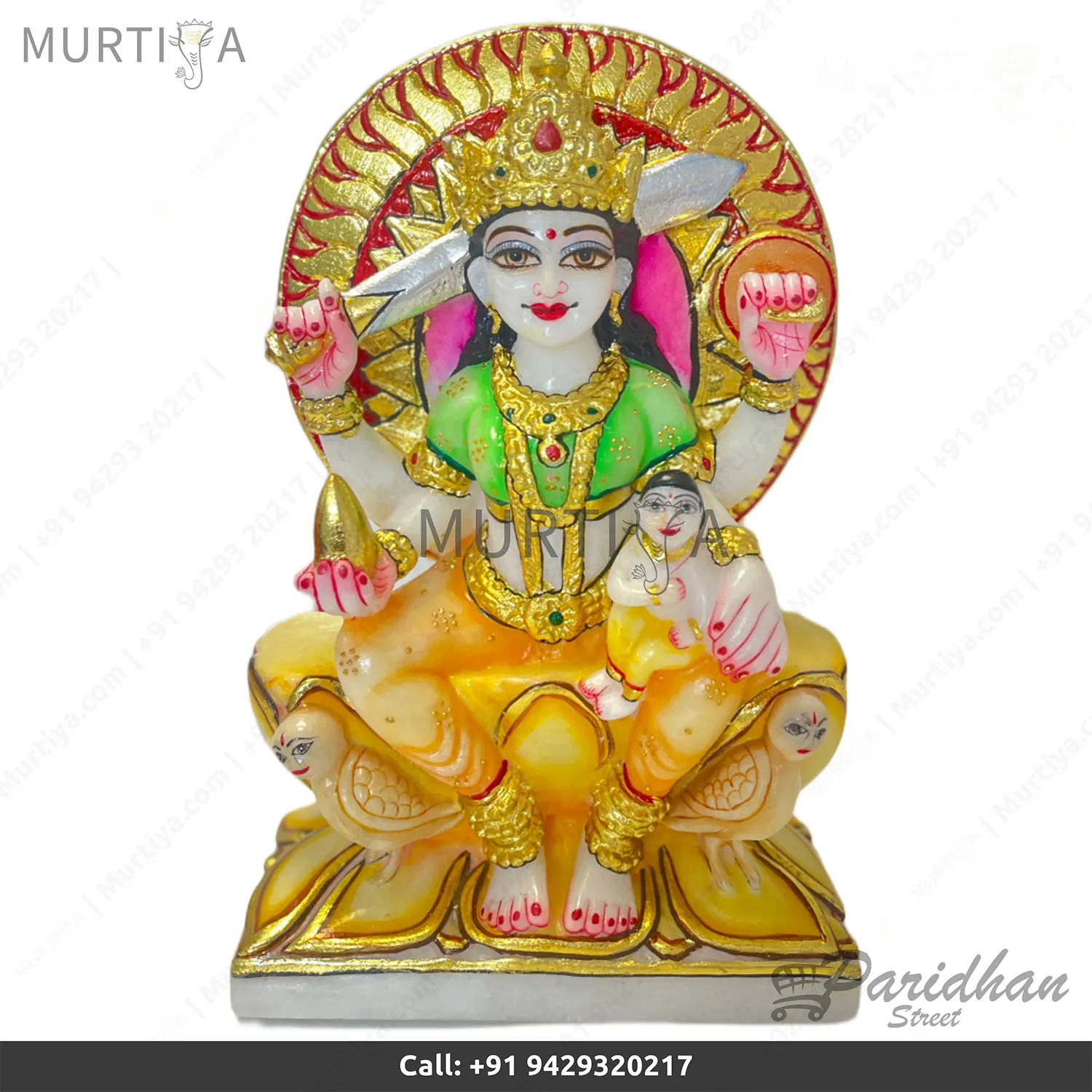
A kuldevta murti is about continuity. Getting the iconography right matters more than getting it quickly.
Confirm the form with family elders
Regional and family forms vary widely, and elders usually know the specifics: number of arms, ornaments, attendant figures. Collect that information before commissioning anything.
Gather a reference
Photographs of the murti worshipped at the family's ancestral temple are the best reference. If none exist, a description plus any family record helps.
Match the existing shrine
Measure the shrine the murti will occupy and consider whether a companion figure already exists that must be matched in height and finish.
Material and finish
Marble is durable enough for generations of daily worship. Decide between plain and painted early, and confirm how ornaments will be finished.
Documentation
Keep a record of the size, finish and reference used. If another family member commissions a matching piece years later, the details will be available.
Frequently asked questions
How do I identify the correct form of my kuldevta?
Ask family elders and, where possible, obtain photographs of the murti at the family ancestral temple. The number of arms and ornaments are the key details.
Can you match an existing kuldevta murti?
Yes. Provide photographs and the existing dimensions, and the new murti can be carved to match.
Should a kuldevta murti be plain or painted?
Both are used. Decide early because it affects polishing and ornament treatment, and is difficult to change after carving.
Where to go next