Most families already have an answer — the family deity. For everyone else, these are the factors that actually decide it.
Start with family tradition
If your family has a kuldevta or a deity your household has always worshipped, start there. Continuity matters more than novelty, and it also means the elders can guide the worship routine.
Then consider your routine
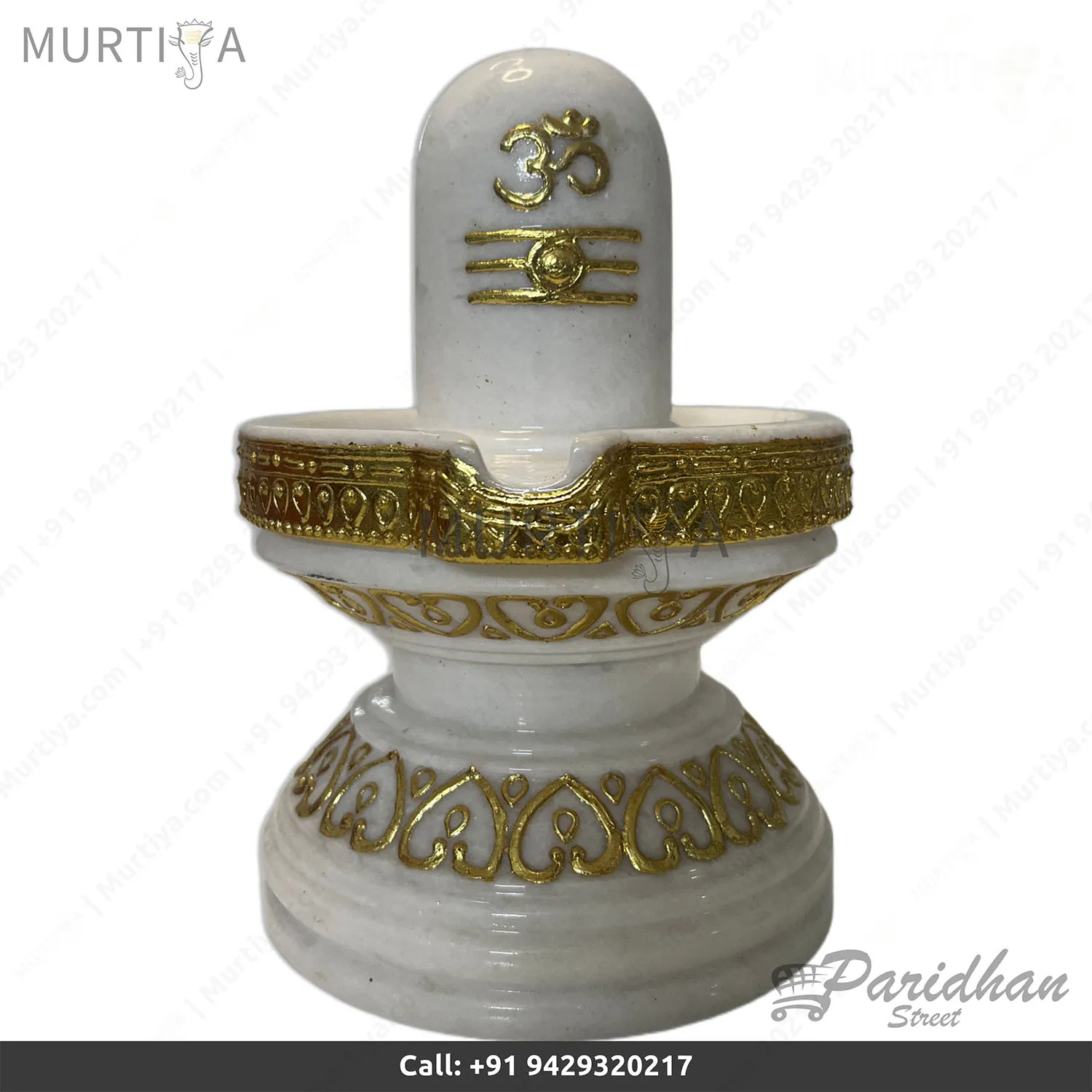
Short daily worship: a single calm form such as Ganesh, Krishna or a Shivling.
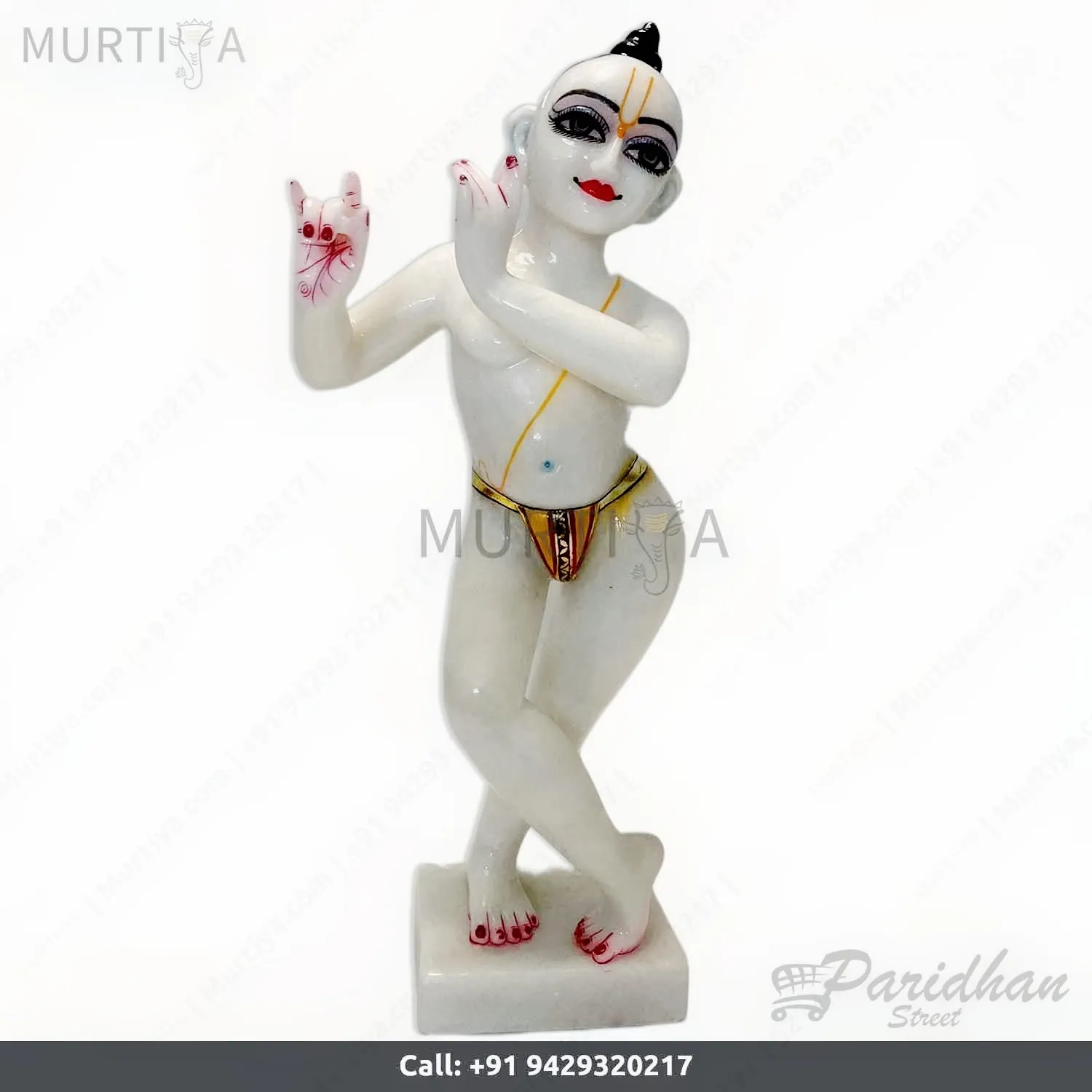
Elaborate dressing: forms traditionally dressed daily, such as Laddu Gopal or Radha Krishna.
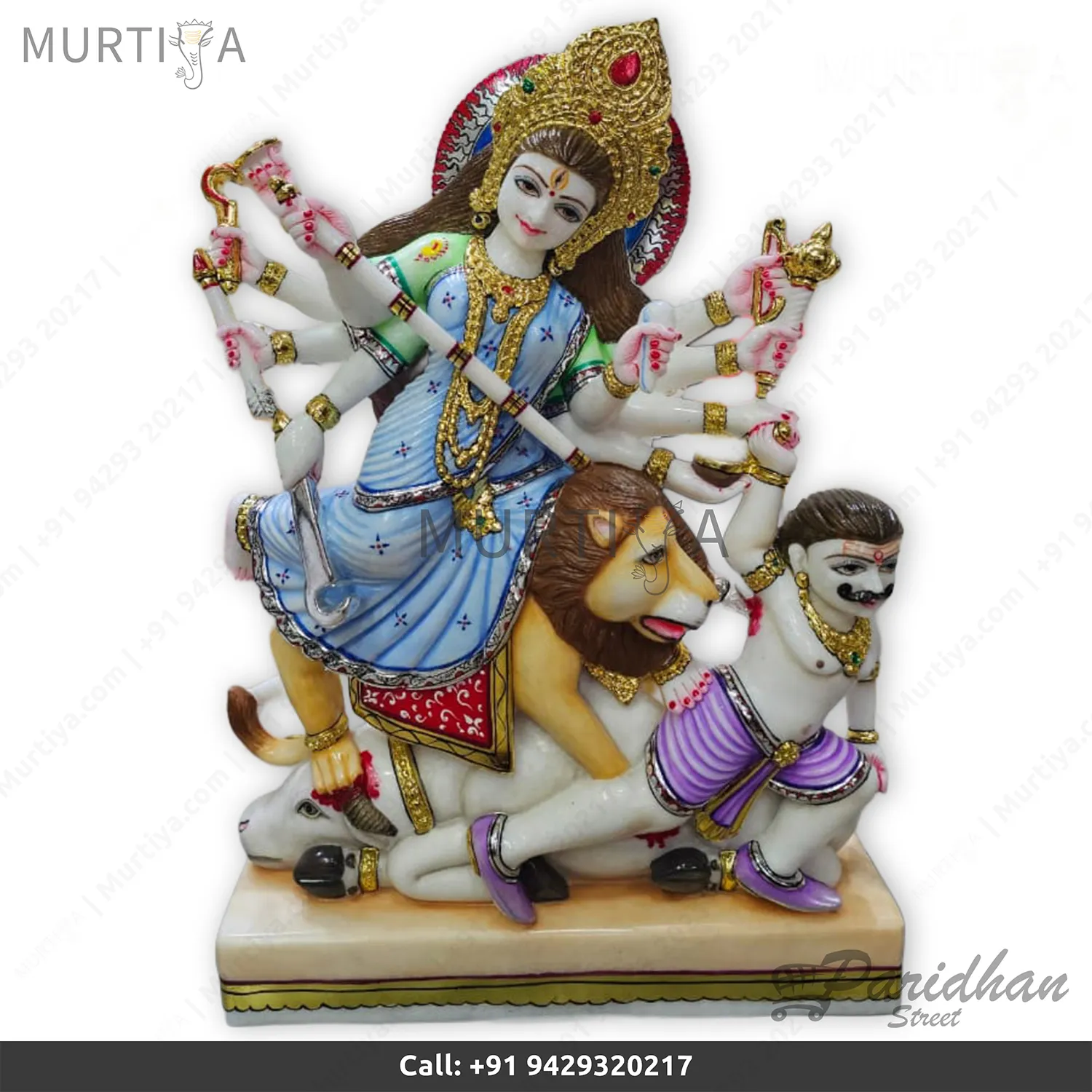
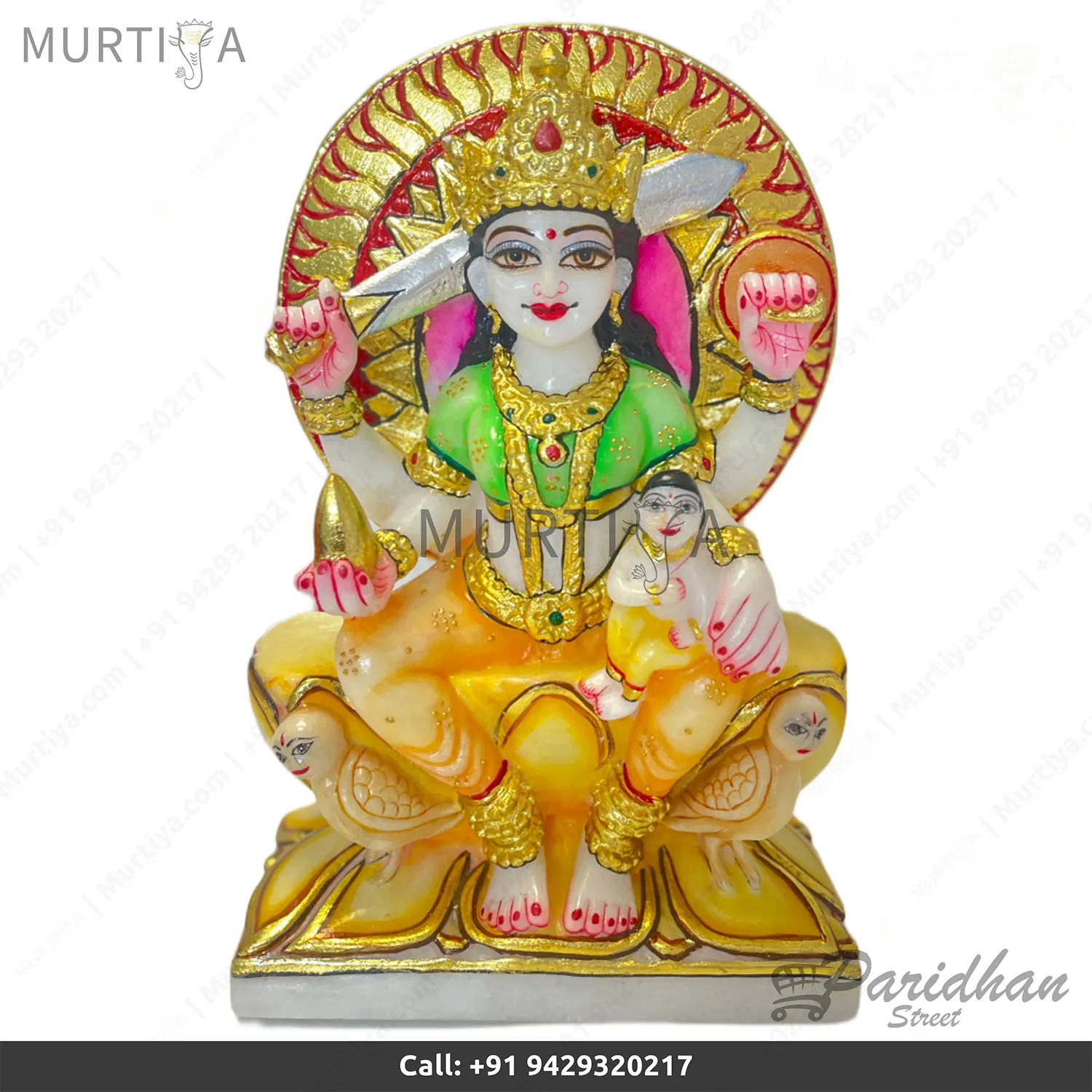
Festival-focused: Durga or Lakshmi, with specific festival observances.
Then the space
A large deity in a cramped niche is a permanent irritation. A pair needs width; a single figure needs height. Match the form to the mandir you have or can build.
Then the material
For a permanent home shrine that receives daily washing and dressing, marble is the most practical choice. For a small, portable shrine, a compact murti in marble or brass both work.
Keep it simple
One clear focal deity, worshipped consistently, serves a household better than five idols attended irregularly.
Frequently asked questions
Can I keep more than one deity at home?
Yes, and many families do. Keep one clear focal deity and vary the heights of the others so the shrine reads as a composition.
What if my family has no specific deity tradition?
Ganesh is the most common starting point. From there, add the deity that matches your worship routine and available space.
Is it wrong to change the family deity?
Tradition usually favours continuity. If you want to add a deity, many families keep the original and introduce the new form alongside it.
Where to go next