Clay and fibre idols are made to be replaced. Marble is made to stay. Knowing which category you are buying prevents an expensive mistake.
Clay idols
Clay is traditional for festival idols intended for immersion at the end of the celebration. It is porous, fragile, and not designed for daily handling or repeated washing.
Fibre and POP idols
Fibre-reinforced and plaster idols are light, inexpensive and can be painted elaborately. They suit large temporary displays, but they chip at edges, are difficult to repair invisibly, and paint can flake over time.
Marble idols
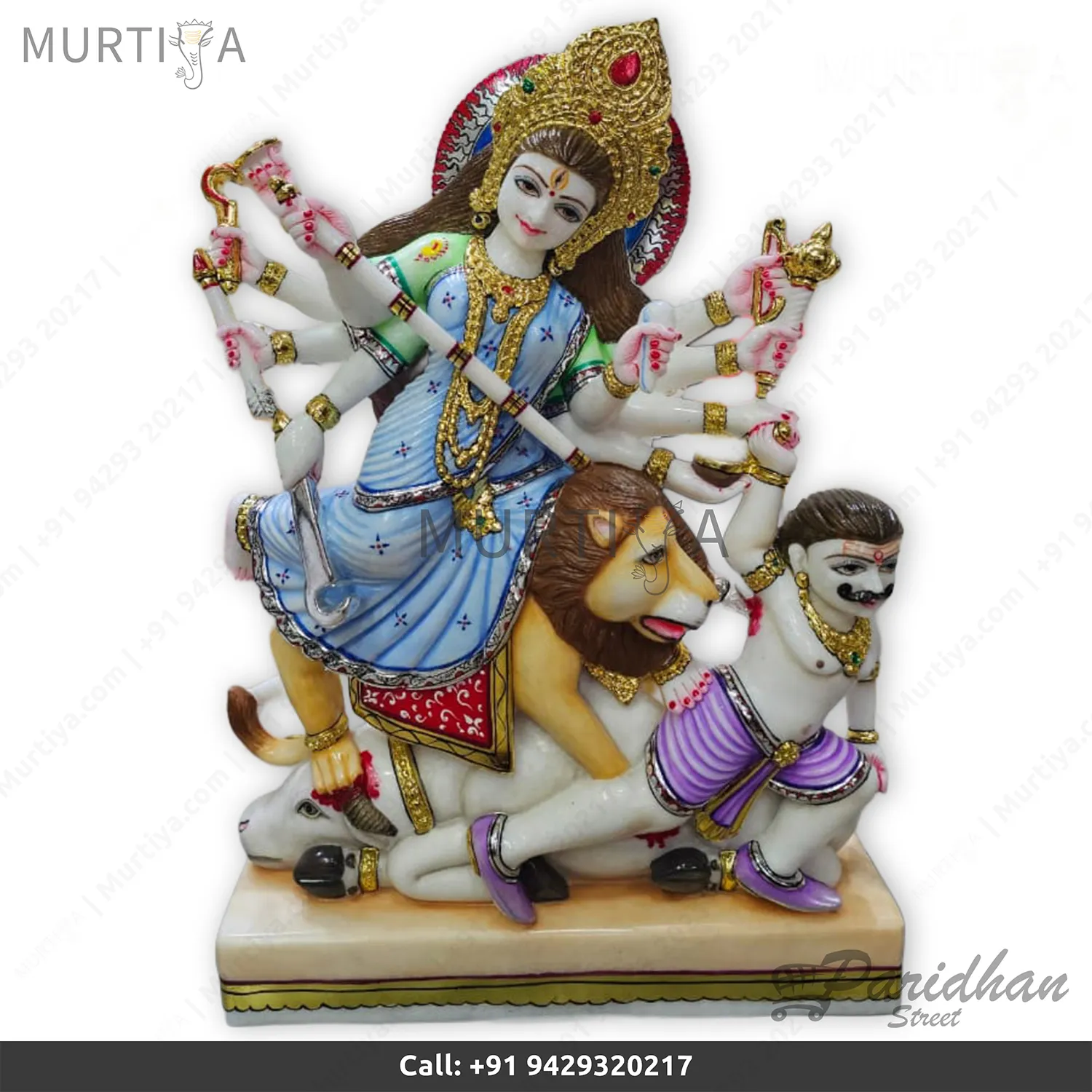
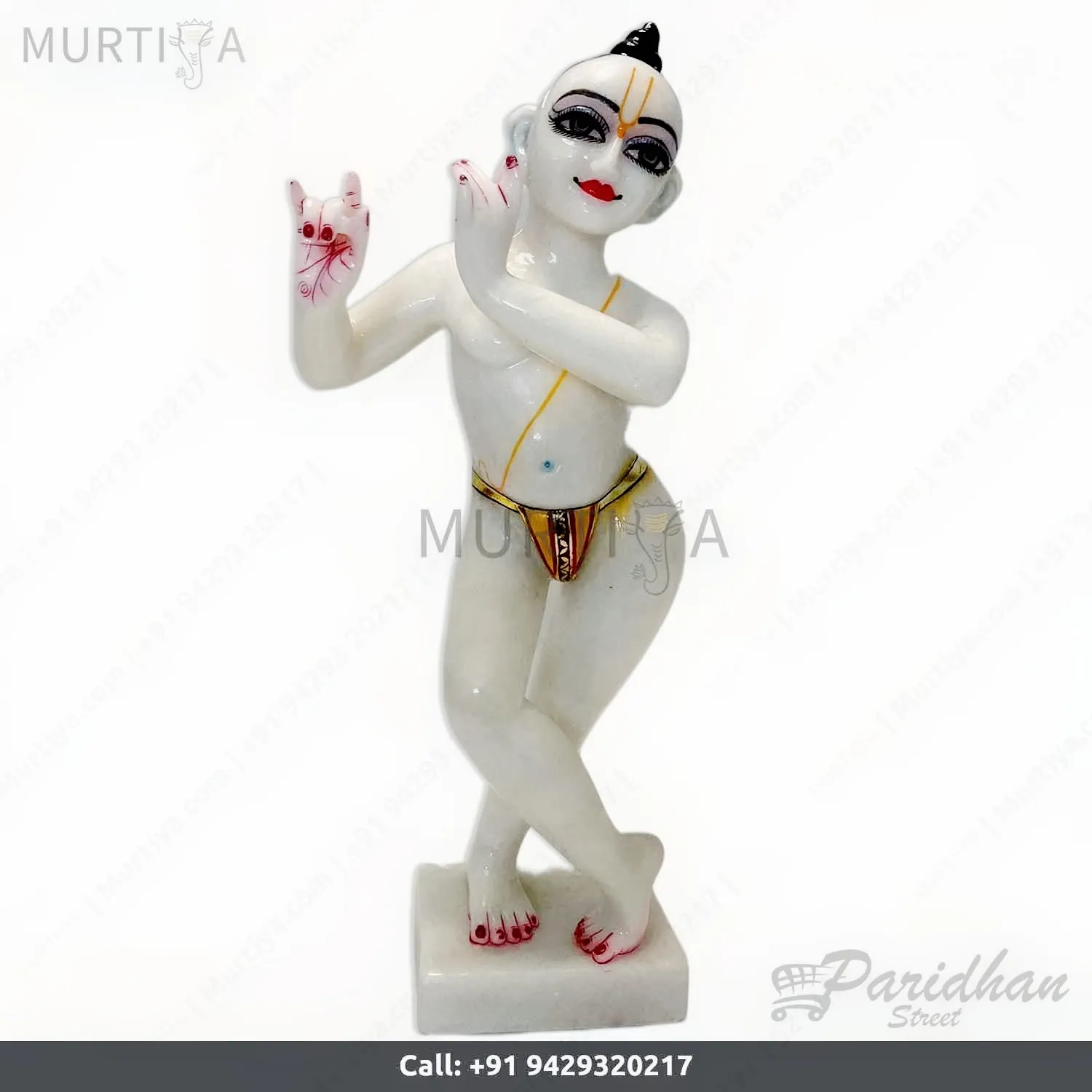
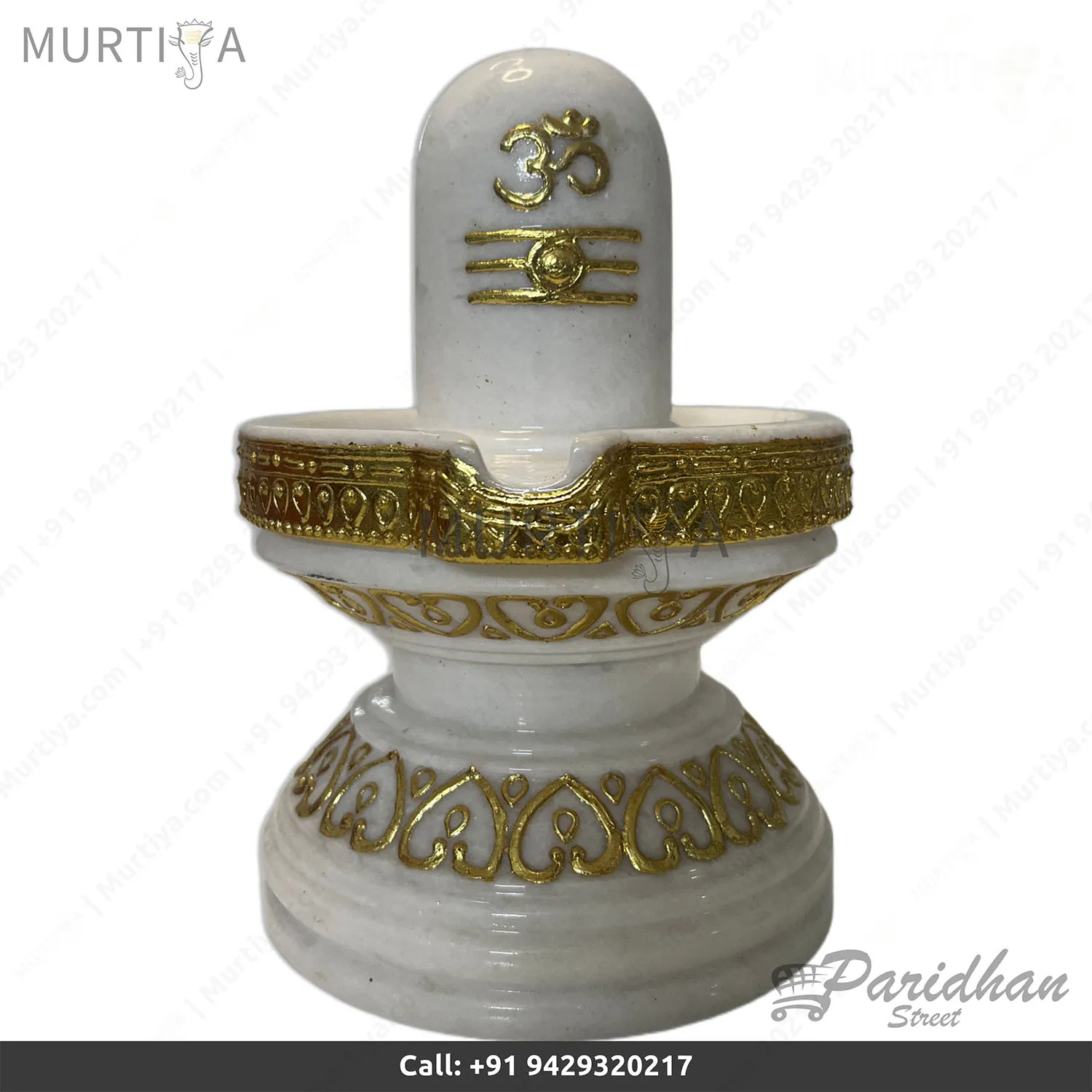
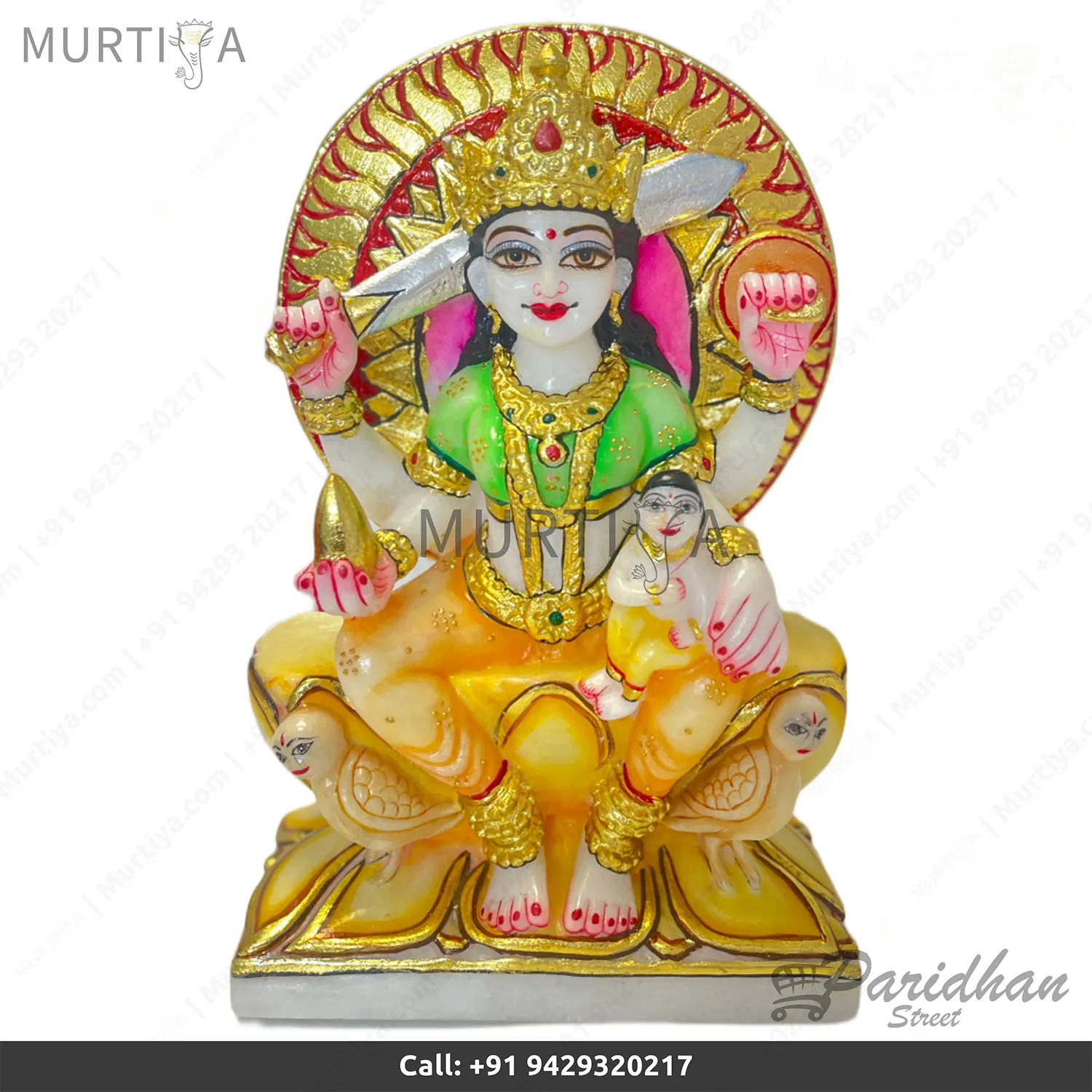
Marble is dense, non-porous and repairable at a surface level. It tolerates daily abhishek, oil, sindoor and dressing, and can be repolished decades later. It is heavier to move and needs proper lifting, but that weight is also why it stays put.
Practical guidance
Festival immersion idol → clay.
Large temporary display → fibre.
Permanent home mandir or temple → marble.
If you expect to keep the same murti for years and worship it daily, the material decision is effectively made for you.
Frequently asked questions
Can a fibre idol be used for daily worship?
It can, but it is not ideal. Fibre chips, cannot be washed freely and paint may flake, so it is better suited to temporary display.
Is a clay idol meant to be kept?
Traditionally no — clay festival idols are made for immersion. Clay is porous and fragile, so it does not suit long-term daily worship.
Can marble idols be repaired?
Small chips can be filled and repolished. Major breaks in complex carvings are difficult, but minor damage is usually invisible after repair.
Where to go next